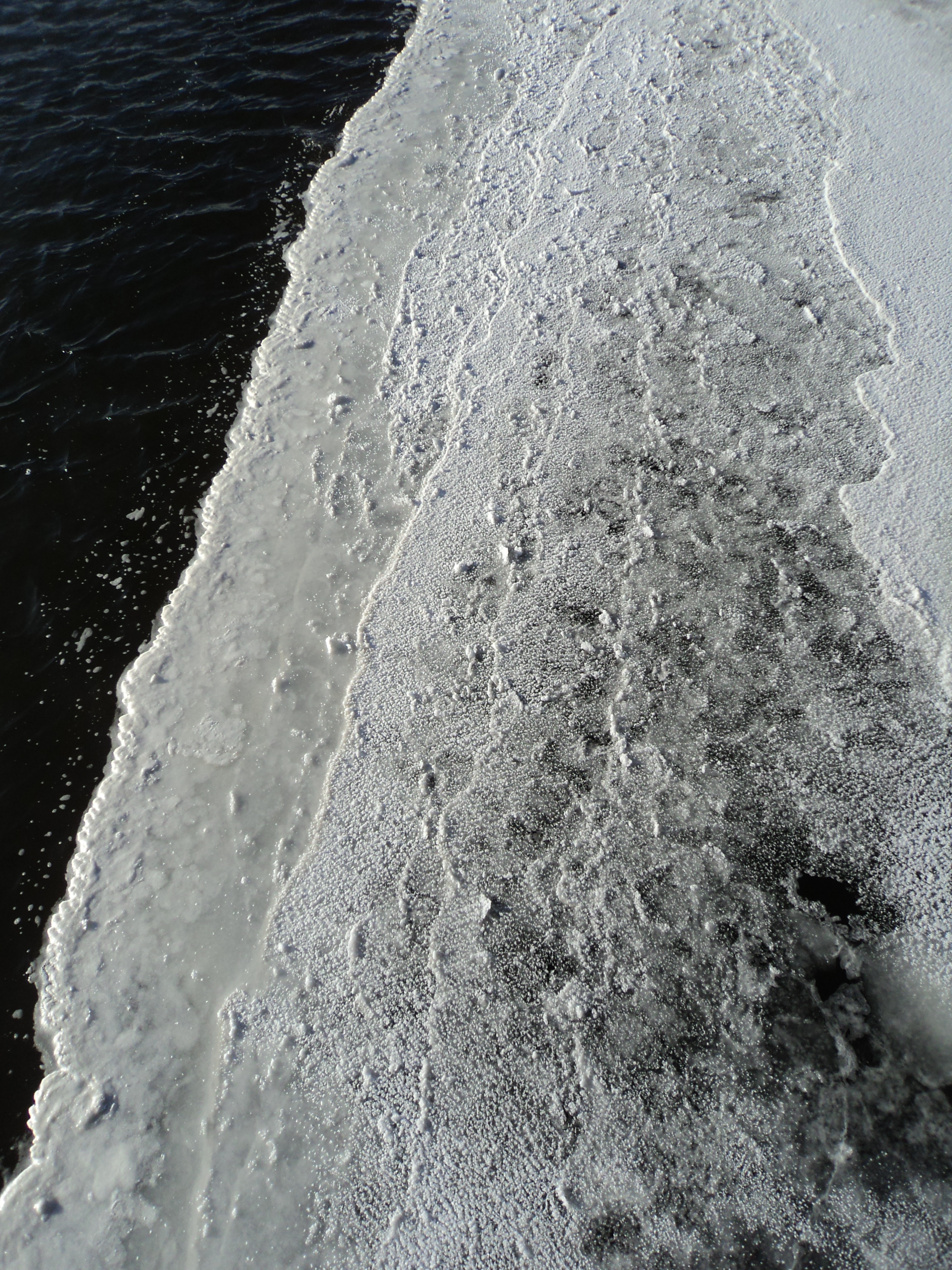
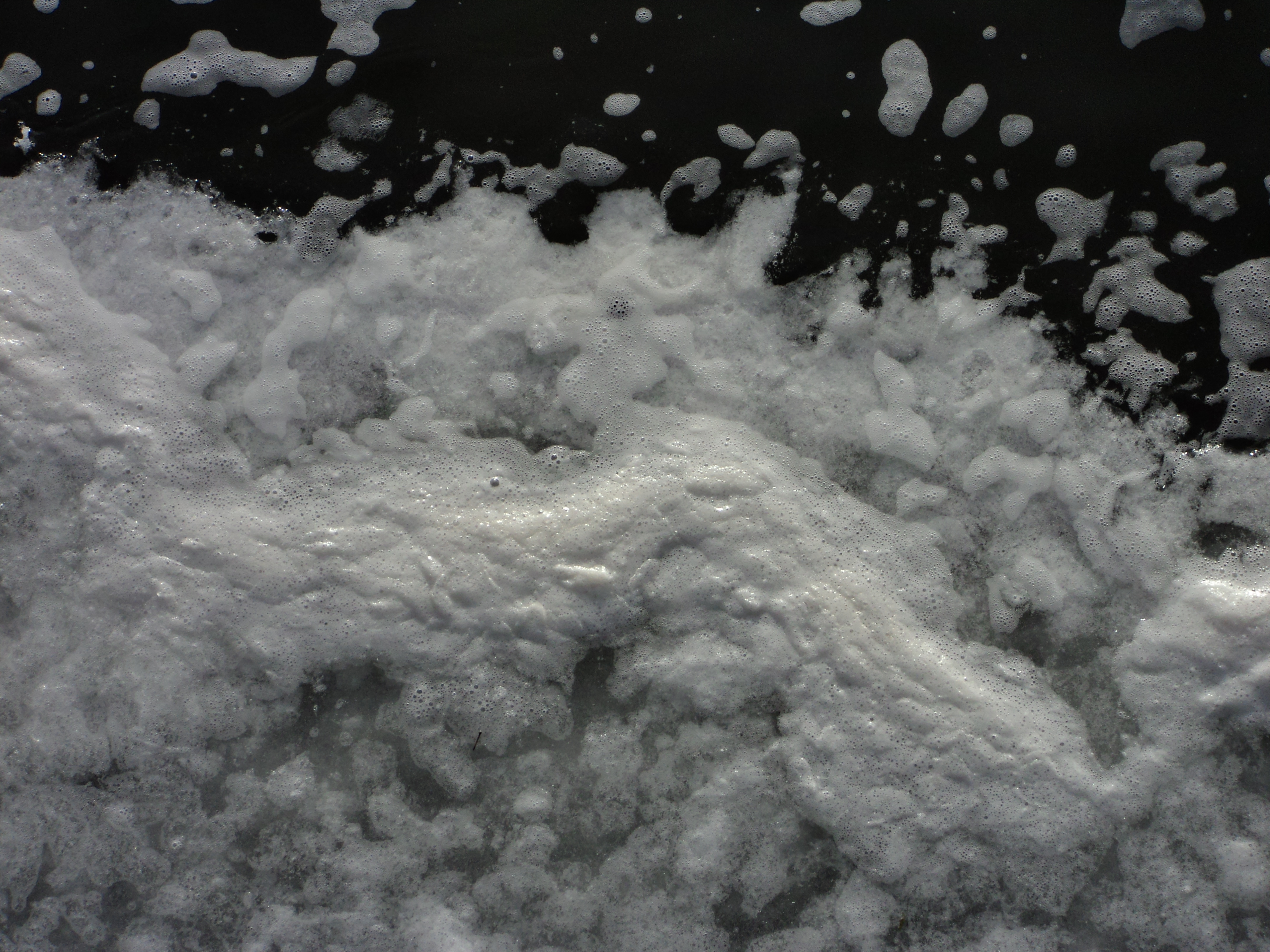
Winter in 2014: re-introducing the MilwaukeeSnow page

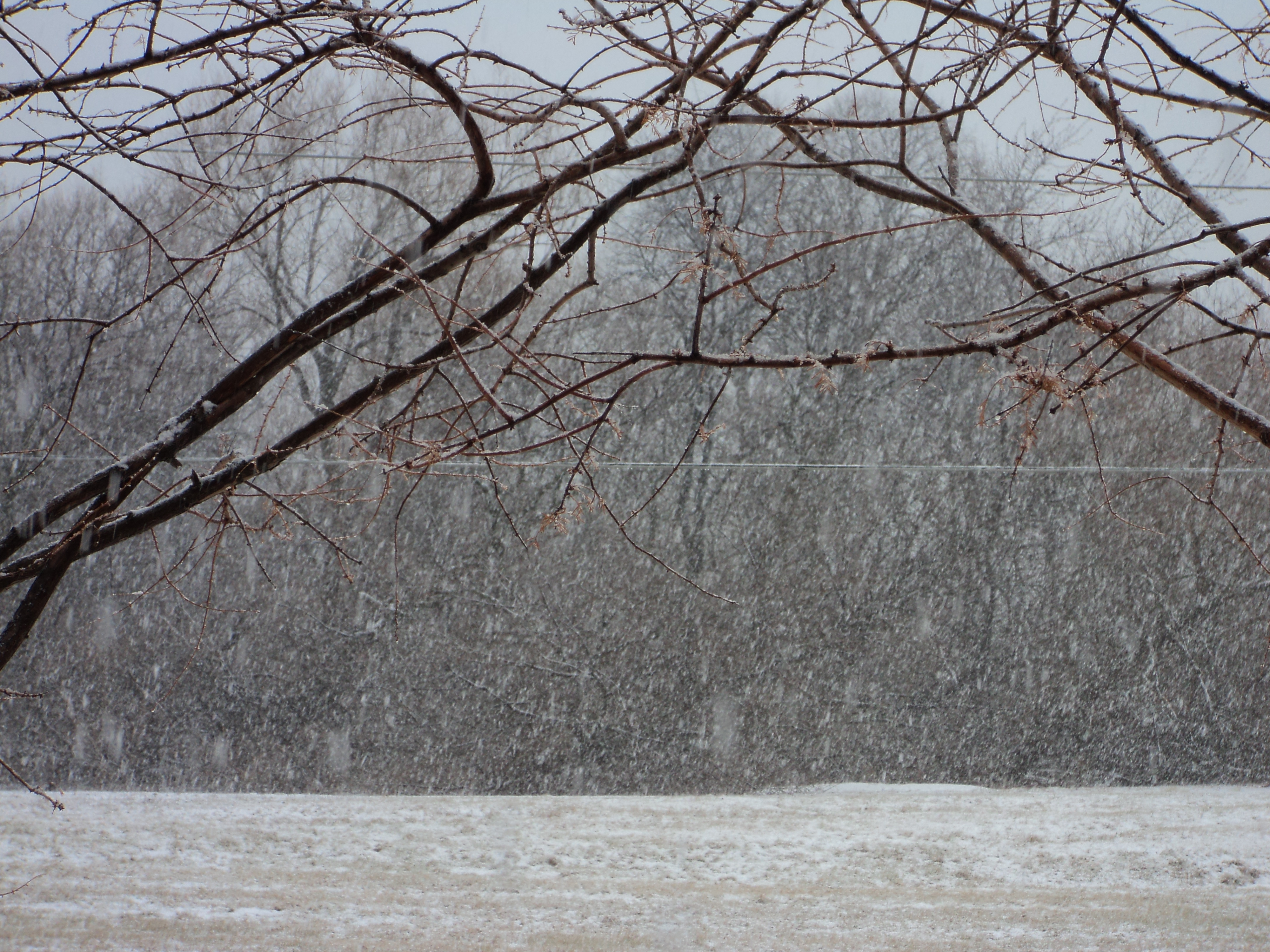
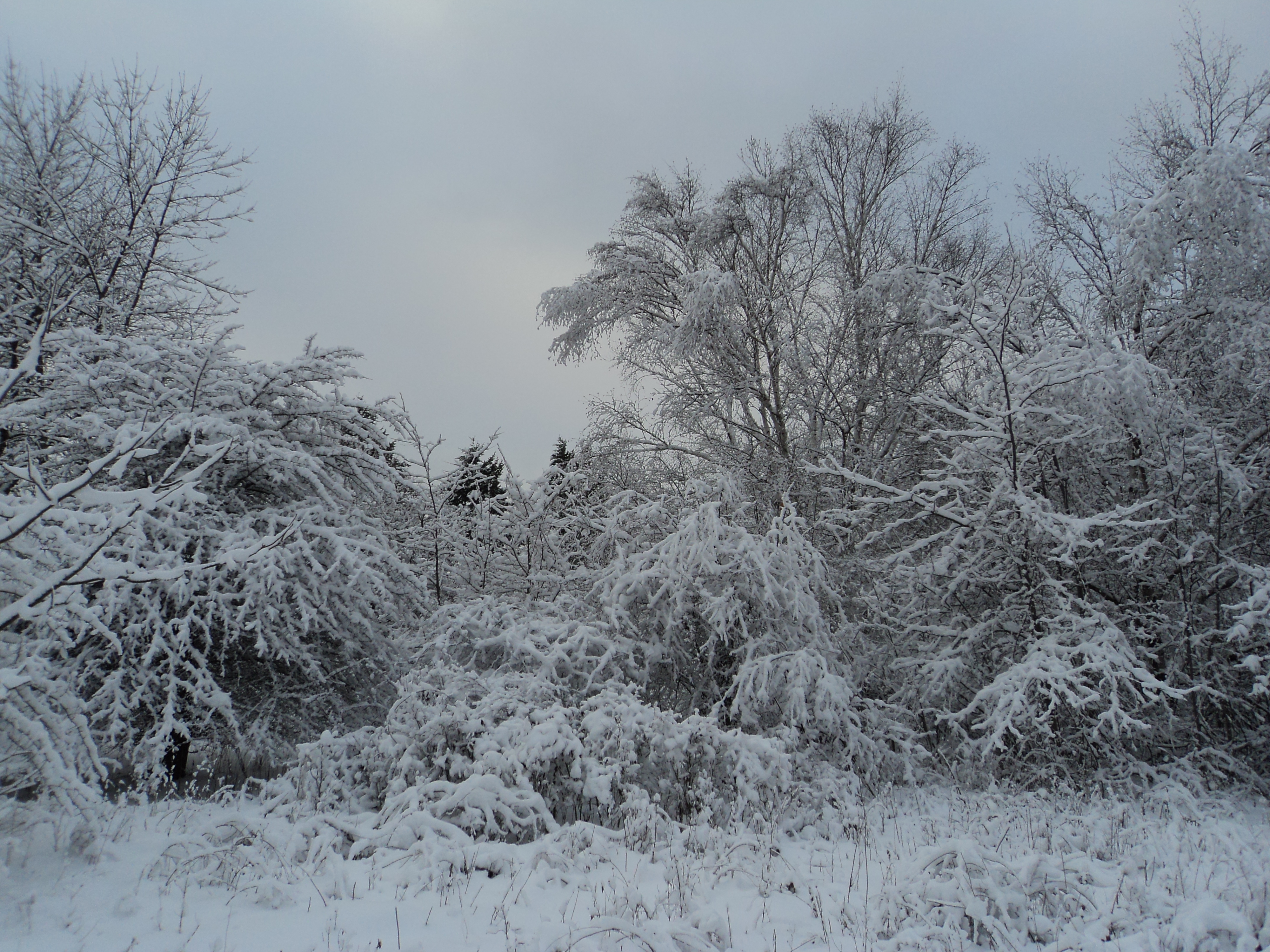
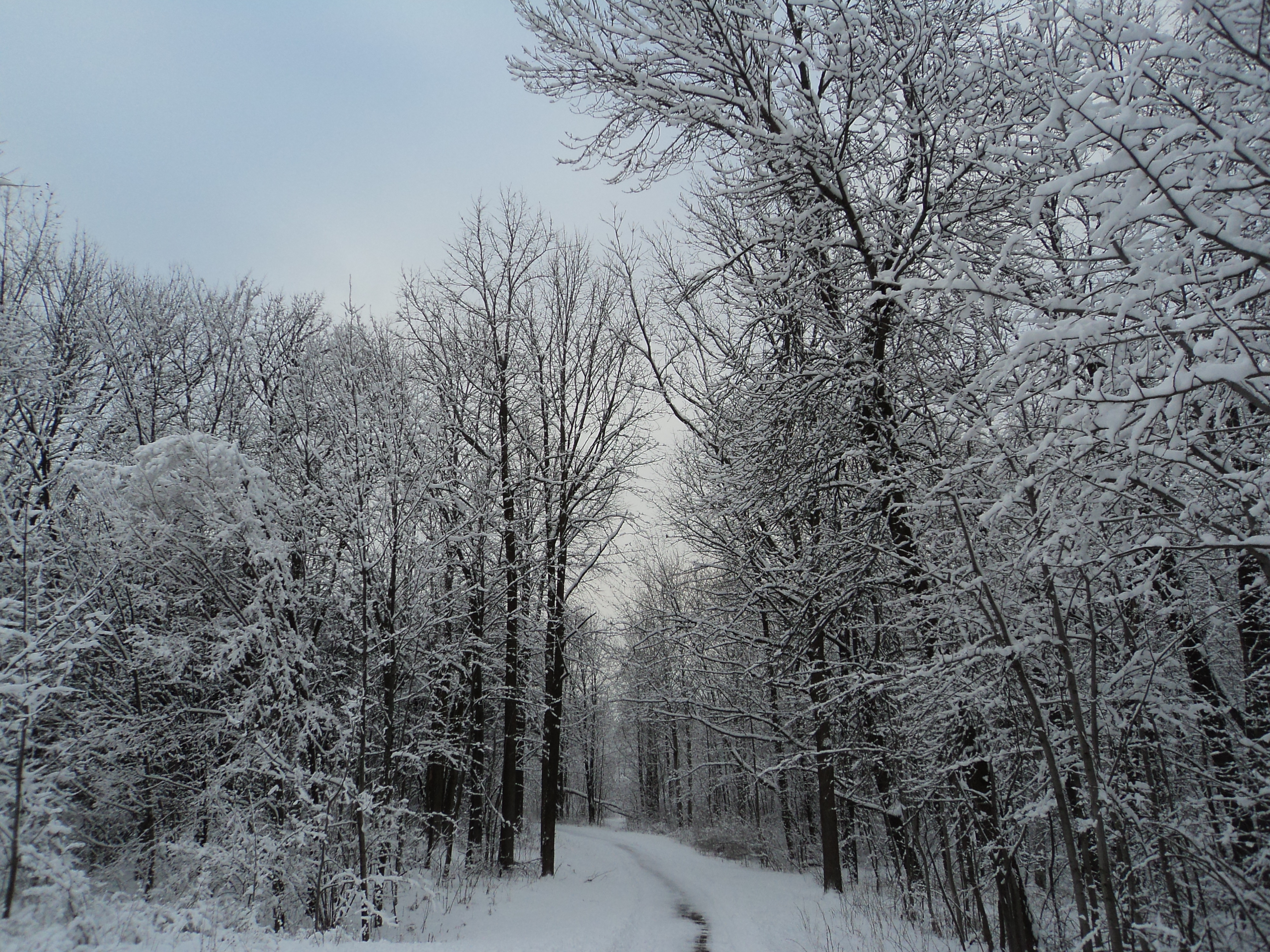
I wanted to welcome readers back, to the 4th winter of my project to increase appreciation of what winter has to offer in Milwaukee and Wisconsin! We are approaching a period of bitter cold, when patience with winter may be difficult to find… but I hope you will keep looking for positives to appreciate. Unlike some of the past few winters, this time we have received cold and snowy weather early on in the season, and some of that should stick around a while for us to check out later!

This started off as a Facebook page designed to share my enthusiasm for winter: https://www.facebook.com/pages/Snow-bound-enjoying-Winter-and-Milwaukee/136469736408344

During the 2nd year, I expanded the project, with a new title: Milwaukee’s Ambassador of Snow!

It has continued since then, on a somewhat smaller scale, as a means to share my thoughts, and interesting links. I also have expanded my area of interest, covering material from throughout Wisconsin.


This year, I have found that the Snow Addiction page is doing a strong job of covering general material, so I am going to cut back on that some to focus more on local stuff. You can follow them at http://www.snowaddiction.org/ ; and on Facebook, where they’ve posted links to a lot of nice photos.

I want to plug a new book that should be of particular interest to my readers: Jerry Apps’ 2013 book about winters in rural Wisconsin: http://www.wisconsinhistory.org/whspres/books/book.asp?book_id=413


Check the ‘about’ section for more on this project. For examples of my favorite posts, and my ‘statements of purpose,’ see https://milwaukeesnow.com/category/highlighted-posts/

I also want to ask for your input. Feel free to share links to others’ blog posts or articles that celebrate Wisconsin nature and other winter highlights. In particular – if you wrote something, let me know! (I would also be interested in having guest posts, if people have things they would like to share.)

In the comments section here, on Facebook, or elsewhere, I would be happy to hear: what are favorite spots everyone should know? What are examples of out of way magic moments you have encountered, which remind us to look to see what our areas have to offer?

Keep looking on the snowy side, stay safe, and happy winter!

Posted in Questions and surveys, Reflections | Leave a comment

Return to Winter: Minor Adventures, and Our Limits Transgressed

Winter weather has been back in Wisconsin for a while now! Now that the season has formally become, it feels like time to think about what I feel as I once again have the chance to get out in the cold, snow, and the mysterious architecture that winter offers…

Thoreau writes in Walden that “we need to witness our own limits transgressed, and some life pasturing freely where we never wander.” Winter provides us with a great opportunity to see these limits transgressed; to challenge our bodies and our minds to deal with what remains, at least in part, beyond us.

So much of what makes winter both frustrating and wonderful are the moments when winter goes beyond the neat boxes we are used to. Drifts that do not stick to property markers. Ice that does not stick to ‘lake’ or ‘shore,’ but covers both. Snow days that insist that people avoid their scheduled plans. Snowstorms, when the ceiling turns white, the air becomes visible, and the ground is constantly transforming. The limits we place on the landscape no longer seem to apply, at least temporarily. We might want to limit weather, to certain parts of the landscape or to certain categories. But it resists our attempts to do so, and winter weather provides our most regular reminders of this in Wisconsin.

The ‘blanket’ metaphor comes to mind often when I look out at an expanse of snow. And yet… how accurate is that metaphor, and for how many places? In most places, trees, brush, grass, rocks, other objects stick above the layer of snow, and/or disrupt the even sheet. It is not so much a blanket as…

I can’t quite come up with an analogy that satisfies me. But I’ll work on it 😉 What coats a majority of a surface, but has many exceptions poking above it? A flood might provide the best parallel, but without the ‘sticking to branches and roofs’ aspect.

The areas which feel most ‘blanketed’ are areas which we have tried to fit within our limits. Lawns, in particular. (Farm fields might appear close to this, particularly when snow is deep, but they tend to have too much stubble to be fully covered.) Park surfaces that are mowed low, and large suburban yards, provide the most striking examples of ‘snow fully covers what is below.’ Ironically, some of the places that look most nature-dominated in winter are that way because they are so tightly human-controlled the rest of the year. But snow transgresses.

From a different angle: some of the least appealing winter scenes – grey slush on the borders of roads – is weather not staying within the bounds we desire. We don’t see that kind of slush away from roads. This is a case where, as I understand it, externalities of roads and technology are made visible in a way they normally aren’t; things we normally can push out of sight stick around. And we don’t like to see that.

As the end of Thoreau’s quote suggests, life does manage to persist out there. Not fully freely, perhaps, since weather challenges and constrains animals, but they do continue on with their ways. We can watch the birds and squirrels and deer who persist outdoors; if we are lucky, we can see foxes and coyotes and others. They remain outdoors in winter, and find ways to survive.

Other limits winter challenges are those of comfort. What makes it irritating to walk outside in winter? In what ways does the weather not allow us to exist within the limits we prefer? My face is cool. Other parts of the body overheat and sweat. This is not the type of body behavior we prefer; but the nature in our bodies, and in the weather, does not follow all our wishes. (For most of us in Wisconsin, we can afford kind of clothing to keep us warm enough – we should not have to face real risk in winter. Not all can afford what they need to stay warm, but this is a challenge provided by our society, not by weather.)

Some might find it irritating to have to dress up to go outdoors. Well, we put a fair amount of effort into dressing for a variety of events, don’t we? Yes, winter outfits are perhaps less likely to show off our ‘style’ – and definitely less likely our figures. We are constrained – weather requires us to focus on function, not form.

On a different note, I am reminded of a phrase Gandalf says to Bilbo in the Hobbit, about what happens if Bilbo transgresses his limits and goes on an adventure: “and if you [return], you will not be the same.” I have a fondness for fictional adventures that involve travelling through a range of places; and overcoming significant obstacles. Where can we find such adventures in our lives? We should travel to different places; learn from diverse ways, learn by encountering what we are familiar. And we should learn new things. In our own places, there is still much we can learn from – different restaurants, stores, cultural events; do not forget those during winter.

My focus, of course, is on going outdoors in winter. Different ice forms appear on the shores – what appears varies. Part of adventure; can be only person who has ever looked at something. Because no one else might have come out yet after a snow. (Or during a snow.) Given how rapidly things can change, you might be the only person ever to see a scene. Particularly if you take trouble to lie down and find odd angles to look at things, like I am known to do…

We can transgress the limits we might place on ourselves – comfort, ease, fashion – to remain outdoorspeople year-round. And then we can see what nature might have to say to us about how it remains a force with something to say outside of our desires.

Posted in Reflections | Leave a comment

Loving my place, and the Wildness that comes to it

In his influential essay “The Trouble with Wilderness,” historian William Cronon worried that environmentalists thought too much about the idea of wilderness – which he felt directed their attention away from other places, and made it difficult for them to appreciate nature in other places. He proposed that environmentalists instead focus on an idea of home.

I think that appreciating snowstorms (and to some extent, snow in general) allows me to look at things from both the point of view of those who experience wilderness, and Cronon’s perspective. Much of my purpose here is to help people realize all that they can appreciate in their own communities. Part of what people can appreciate are ‘wild’ qualities – nature overturning constraints, remaking the landscape, showing its power through storms. One can find quiet moments, sublime moments, and strange experiences while enjoying snow.

Image

Snow provides a bit of the sublime – one could feel this in mountains or oceans, wild places, things beyond human scale. Think of the beauty one sees in places that can be dangerous, such as the film of “Life of Pi” strikingly depicted. Polar places can be dangerous – and so can anyplace where the temperatures drop well below freezing.

But even a city park, if one steps out into cold, supplies a bit of such distancing. One is conscious that it will take minutes, maybe 15 minutes or more, to safely cross a small area. Distance reasserts itself. No grass can be seen, so the only signs of life are trees at a distance. One will likely hear sounds of machines in distance, but might see no one moving.

Walking (or snowshoeing) so slowly can be disorienting in some ways. Particularly when one gets used to moving quickly. I’m spending 20 minutes just to move around a tiny park I can easily see around? That I could run across in 1 minute? But it gives one a chance to appreciate a small area intensely, to slow down to a pace where one can see what it has to offer. (Sometimes those I walk with have difficulty slowing down to my patient speed, I admit 😉

Snowstorms are particularly effective at bringing a wild experience into places close to home. For more on this wildness, see my essay at https://milwaukeesnow.com/2012/01/13/wildness-of-snowfall-transforms-milwaukee/ , where I wrote that “Snowfall is a time when we are suddenly reminded that we live within nature, and that it retains the power to transform what we see and how we experience the world.”

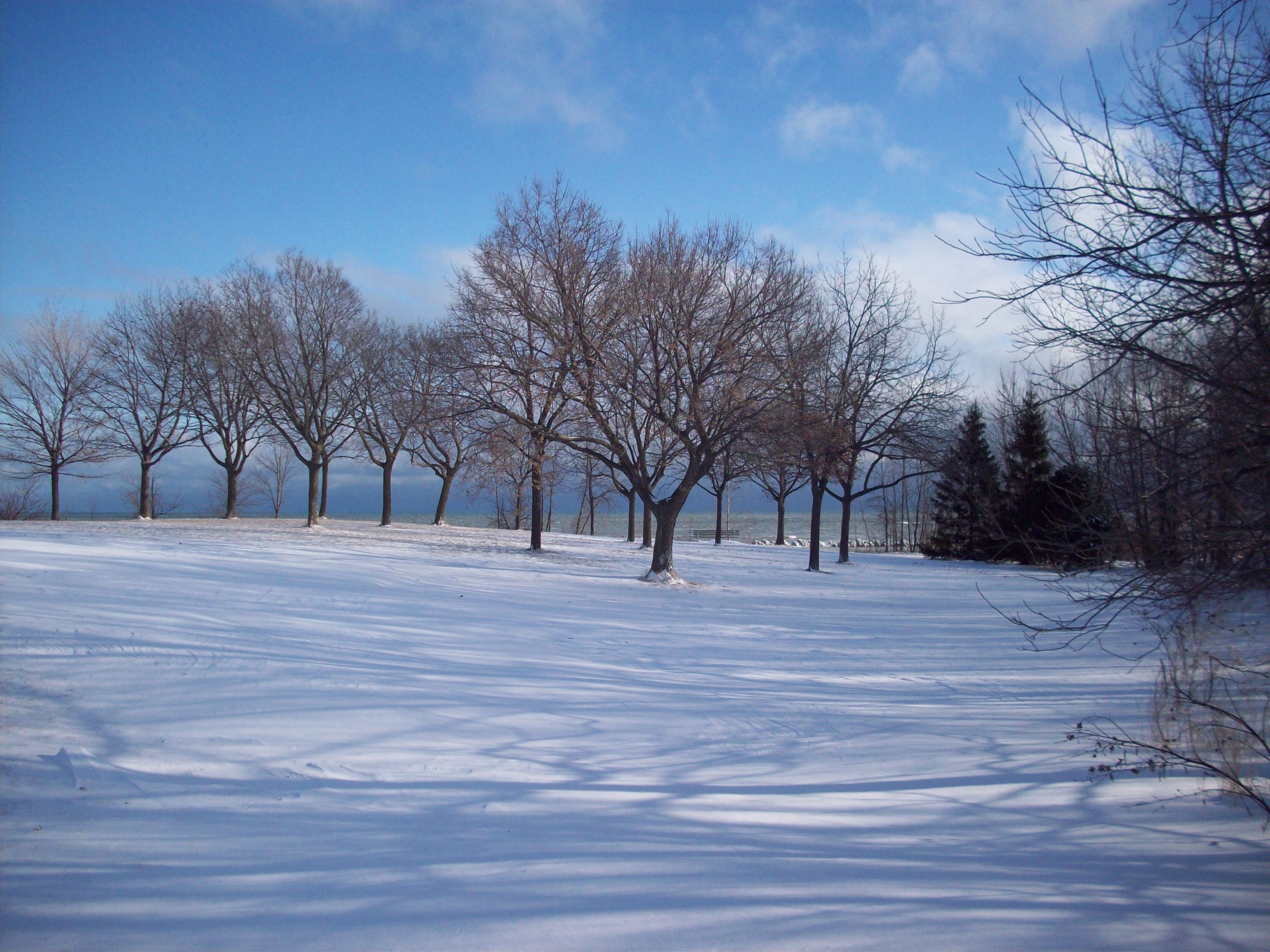
After the snowfall ends, one can enjoy calmer winter weather. This winter, I’ve gotten used to looking out my window and watching the shift as the sky grows dark: first daylight, all bright on the snow. Second, the sun gets lower in the sky, and plants cast striking sharp shadows across the snow. Third, twilight when bluish snow + reddish spots around lamps are mirrored by blue and red tints in the sky. These provide pleasant reminders of the beauty right outside my window.

My tracks in a local park are almost the only ones. Week after week. Does no one else want to come out and walk in the park? Do children, when they come, just stick near to the play area and parking lot? Are there no children in the apartments by me who feel the need to play in park?

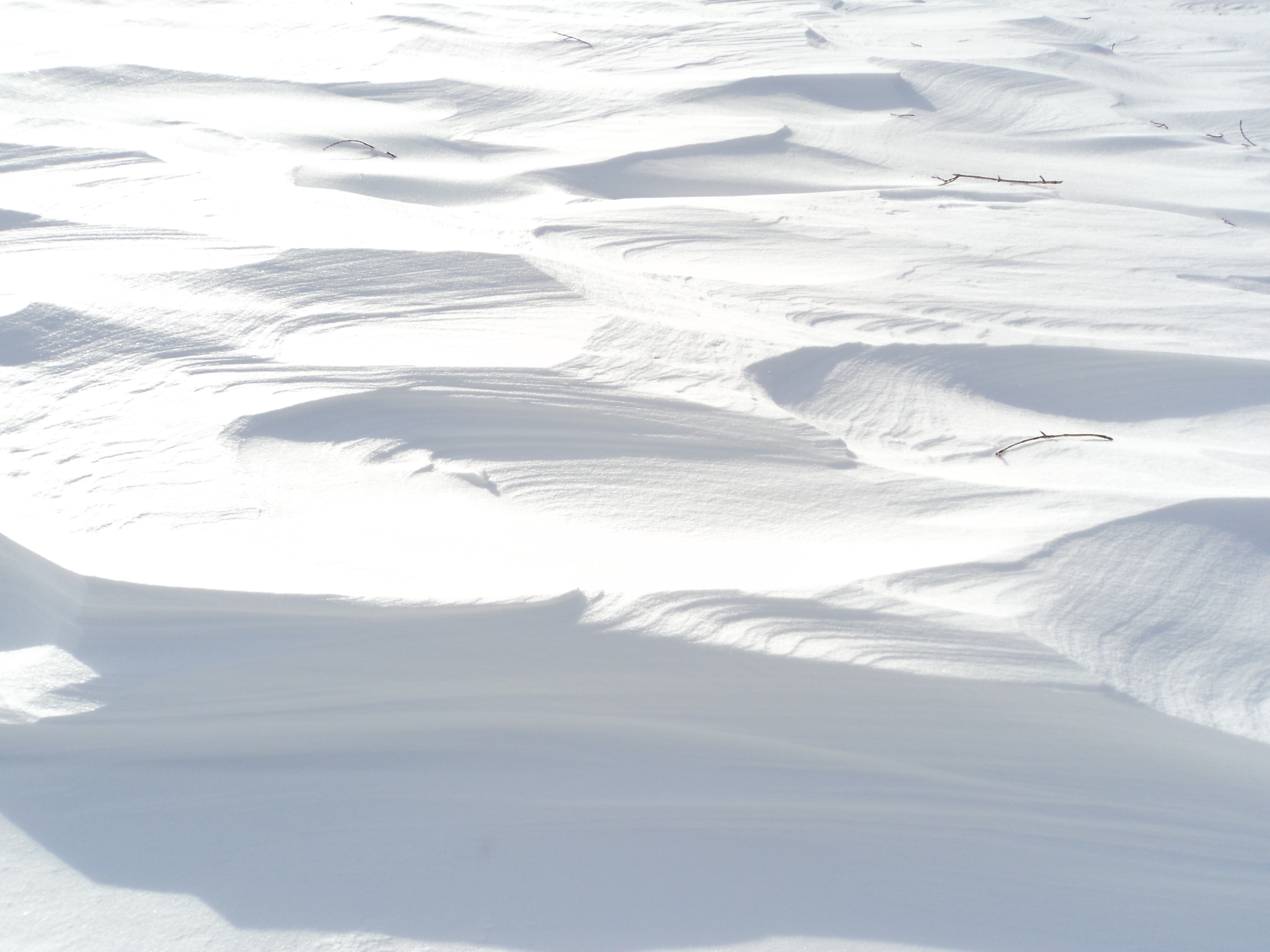
Sometimes, the top layer gets swept by wind. A slow flow, not really like anything else I normally see, except for flows of snowfall. A wind picks up, the snow seems to slither across top of landscape. Then the flow slows and halts. A new pattern is left behind.

Blowing snow! Snaking its way across. I want to try to capture this in a picture, but doubt it would work. This is something to enjoy in the moment. Bursts. See the subtle shaping… watch as the flow starts, blows up… then winds down.

Paying such close attention can remind me of the fun of appreciating, on an individual human scale, these local wonders. If we get too caught up in the wonders of distant places, we might imagine that what we can find here are too small-scale. If I took pictures of blowing snow, or even video of it, you might not find it particularly dramatic. But in the moment, things are different! I might catch my breadth, enchanted by the subtle wisps. It is enough to be in such moments.

For me, my appreciation of one kind of landscape helps me appreciate the other. A careful eye for details developed around home helps me notice what is different when I visits a larger, wilder park, with larger-scale scenes to view. Conversely, getting swept up in expanses of forest in Northern Wisconsin, and noticing how the pieces of the ecosystems there fit together, inspires me to find examples closer to home. Closer to home, I can identify a particular tree to keep an eye on, week after week, or day after day, and watch how it changes throughout the year. I can keep returning to a lakeshore to see just how much it can transform from day to day.

At other times, the frozenness of the snow is striking. Snow in stuck in place, caught in patterns. (Somewhat like icicles, those striking images caught on way down.) This is a place without movement, and a warm moving body feels strikingly separate from it. Wave forms. Caught. Mysterious how overhangs develop through the course of time…  then get stuck in one position. (until wind, and especially melting, reshape them.) Perhaps this is like a desert’s sand; or a lake in a given moment, except that the lake will keep moving, where the snow does not. Footprints from a few days – or a week – ago might now have snow sifting over them in a variety of shapes.Image

I will pause, lean down, and look at the patterns from close up.  I am continually tempted to touch the patterns. As one might sift sand. Or as one might learn the feel of bark, rock, or leaf through feel. I keep rediscovering that… it all pretty much feels the same to me, I admit 😉 Gloves are too thick to let me feel the fineness of snow grain. Fingers melt snow on touch, and running fingers along top just leave trenches. And basically I feel… cold. (If you have recommendations for how to more sensitively explore snow-feel, let me know!)

I tend not to focus on distant places. I rarely travel far for parks; I prefer ones within a few miles of home, and ideally a short walk away. I find the nearby parks, and enjoy them. (To me, it seems logical for environmentalists to not want to drive much – but I am aware that environmentalists are often called hypocrites for excessive driving. Am I so unusual? I do not know. I also work with local groups to make life more sustainable in my communities.)

I celebrate my place. One goal of my project was to convince people to stay in town, rather than leave it in winter trips. Even the season least loved in my place, which makes people want to travel far away…  I will make it my mission to convince people to appreciate what it has to offer. That is part of my love for the place, a desire to share my affection for it. A desire to convince others to appreciate more, to make sure it receives the care it deserves. To make sure my community members, both human and natural, get the respect from others (and sometimes themselves) which they deserve.Image
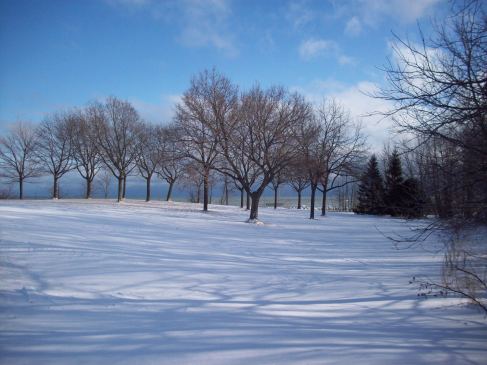
Posted in Highlighted posts, Reflections | Tagged , , , | Leave a comment

Snapshots: viewing snowy landscapes from buses

Front yards of homes present themselves as largely sheets of white. Perhaps the backyards show more use, but the front yards had few footsteps in them. The cleared-off parts, driveways and sidewalks, are a small part of the landscape. (Businesses stick out for their expanses of asphalt.) I saw a few houses where people appeared to be making use of frozen, snow-covered ground as a place to turn their car around on.

Lawns give people a chance to work with nature, to plant, prune, and shape. That is basically not the case with snow. Which is, to be fair, usually in the midst of constant change, so not worth much effort to shape something that might melt quickly. But ‘lawn work’ gets replaced by… ‘snow removal.’ Children might run around, build snowmen and snowforts, or even make some patterns. Adults, I suspect, rarely do this.

Snow covers so much. Feels like it paints over parts of the landscape. Parking lots, lawns, farmed fields, grasslands, miscellaneous city and rural lots that are home to a variety of equipment – each of these can, at least for a time, be covered with the same basic ‘grounding.’ A certain amount of diversity of ground (and lot) conditions is lost, replaced with the bright coating of snow.

Private space often appears divided into ‘land we aren’t using, and that gets left as sheets of snow’ and ‘areas we walk on, which we will try to clear of snow and ice (and surround with piles of it).’ It is pleasant to look over white zones – and leave me with kind of an odd sense of unused space. Don’t know for sure if a weedy area gets limited use or not. But I can watch for tracks on snow to see if anyone has walked on, or moved any items onto, an area.


I got a chance to soak in 180 degree angles. A lot of horizontals (ground), a good number of verticals (trees). To get to soak in the diagonals of a forest, I may need to get closer up, deeper in.


(Contrast this with driving on one’s own. I do not have much to say about driving in winter… since its not much of an experience of winter. Its designed to get one through space, especially in areas that aren’t designed to be scenic – not to allow one to connect to it. And perhaps many of the things that frustrate the average American most about winter have to do with cars and driving.)


Riding on the bus can give one a chance to look in directions don’t normally, if briefly. That I appreciate. But there are limits – one day, windows were hard to see through, splatter of slush or some other wintry-mix covering. Another day, the bus I rode had an odd on the side, covering windows. Little dots let light through, but it was hard to look through, and kind of a pain on eyes.


I have a slightly elevated view of rural areas, since the bus rides higher than a car does. This allows me to see lots of different snow snapshots, lots of examples of how snow can settle on farms, businesses, other places. I cannot quickly come up with other examples of how one could take a similar ‘snow tour.’

I actually spent much of my rides looking out at the snow – for a snow-lover like me, a chance to sit back and enjoy looking over snowy scenery left me almost feeling like the ticket price was justified just as a tour of wintry Wisconsin!

I am more used to focusing on the local and the micro-level. A good number of my favorite winter photos involve me lying down to take a closeup of ice, for instance. But here is the macro side; a survey of hours worth of different winter scenery.

Are there large-scale patterns to be observed? Not so much, at least in Wisconsin. The large patterns I saw tended to be small enough in scale that one could observe them in a local park, or a big field. But the chance to see so many different examples was entertaining, at least in limited doses.

Posted in Observations | Leave a comment

Walking to Work in Winter

What do I encounter when I walk to work through a snowy landscape?

First of – a bit of briskness when I get outside. I often feel a little chilly, but I know that by the time I get near work, I’ll be plenty warm and will have unzipped my jacket a little.

The street is tempting to walk on when sidewalks are not cleared off. It can be tricky to figure out where it makes sense for me to walk. Solid snow pushed up by plow is relatively easy to walk on, doesn’t crunch down much so I don’t slip in as I walk. Normal varieties of snow, however, can take more effort to walk through.

What do I walk down? Sidewalks, which are channels through snow piles.  Mostly ok for walking. But I am in decent shape and in 40s; for others, this might be more challenging. I slip once every 10 minutes or so, but catch myself. When snow melts and refreezes, this is more of a problem, as a solid layer of ice (no snow on top) can cover the sidewalk even in places that have been shoveled.

I walk by a number of small businesses: their parking lots are plowed, with solid piles of snow on the edges. (So we end up with borders between businesses, while houses and most other places look linked together by uninterrupted swaths of snow.) I can normally walk across these lots, but the borders require me to keep to the sidewalk, or to areas near the sidewalk that do not have these piles.

It is nice to get the exercise. I can head out at other times if I so choose. But I know I’ll get some walking in each day, some time spent outside.

Once I got in the habit, expected that I would get up a little earlier, that I would need to budget a little more time to get dressed for the walk (and to change again when I got to work), walking just became what I expected to do.

Figuring out my place at intersection can be a little tricky – but then, when you walk where not many do, that’s par for course.

I wonder what students / other employees thought if any saw me walk up snow piles in parking lot, to look over on other side at trees there? I can’t imagine many people do that… but why worry about others, when one can have a little fun walking and more fun looking 😉

On the walk home, I stop and look for drift patterns in any small areas. (Such as depicted in the photo below.) Much of the walk has little that is exciting to see, but watch for what does. Are these spots worth a long look? Maybe not. But keep an eye out. (I considered doing a photo essay on ice/snow mixes in parking lot. Not as pretty as on lake, but closer to home. ) Delicate little patterns are worth checking out.

DSC04011

I become more familiar with the trees in my neighborhood. How does snow sit on them? On what days are they loaded down? Some days, they just look fluffy and cuddly… but I suspect that looking too closely would dispel some of the magic feeling I get from them. So I walk slowly by them, soaking in the moment, but do not actually stop.

When I walk home in the dark, parking lots are calm in darkness. When lights catch falling snow, it’s a winter treat.

Overall, the walk route transforms to a world of small hills and slopes. Gives me incentive to pause and look, which I don’t normally do while walking this route. There’s necessarily a lot to see. But – I took a moment. Saw what there is. Not just stuff I rush past, or don’t have time to focus on, because need to focus on road. I feel more connected when I know I’ve taken time to look at place, not just doing things in it or moving through it. And it becomes part of what place is when I move through it again, now that I have memories to associate with it.

Much of the walk to work is not something I would recommend as a ‘special fun winter experience’ (although the exercise is nice). But it is good to keep getting out there, to get to know my vicinity better. And to sharpen my eye for what snow has to offer in a variety of places!

Posted in Highlighted posts, Observations, Reflections | Tagged , , | Leave a comment

Milwaukee winter “sucks”? That opinion misses so much…

Milwaukee-area winter weather has been in the news this week for reasons that disappoint me. Channel 6 reporter Angelica Duria, while outside in Racine reporting on a snowstorm, said “it sucks here,” and national and local media have picked up on the story. The title of a story by CNN’s Jeanne Moos is “Honest weather reporter: ‘It sucks here.’”

http://www.cnn.com/video/?/video/living/2013/03/01/tsr-pkg-moos-this-sucks.cnn#/video/living/2013/03/01/tsr-pkg-moos-this-sucks.cnn

I, of course, spend much of winter encouraging people in Milwaukee to stay active, to stay appreciative, to enjoy the possibilities winter provides. So I want to issue a call out to people in Milwaukee, Racine, and other parts of the area to be proud of our region! It does not need to suck here in winter, and we should be enjoying the kind of beauty that we have to observe this weekend. I hope that people here – or elsewhere – do not think of us as suffering through what people would not choose to have to deal with. Wisconsin is a great place to be at any time of year, with a lot to offer both to natives and to those who might want to visit!

Before going on, I want to clarify that I am sympathetic to Duria’s specific statement, in context. From what I can gather, she had been standing outside for around six hours, next to several lanes of traffic (perhaps the interstate), with little to do other than stand and repeat the same basic observations. I can understand why that situation (not the weather itself) would suck.

But we should not think of ourselves as being stuck in that type of situation. For a number of us – the poor, those who work outside, those who are unsteady walkers – the cold, and icy walking conditions, pose significant challenges. I do not want to downplay those challenges. But for the rest of us – we can choose how we relate to winter. As Bernard Mergen demonstrates in Snow in America, there are a lot of different perspectives that past Americans have chosen to use to understand, and reflect upon, snow. We, too, can choose whether to see ourselves as confined by winter – or as offered unique opportunities by it.

Stand outside and watch the snow when and where you want to! Find a spot you want to appreciate – perhaps your backyard, perhaps a local park, perhaps the lakeshore where ice is providing new forms for us to examine on a daily basis. (Angelica’s location is likely one of the least pleasant places from which to enjoy winter weather.)DSC03977

What bothers me is the broader difficulty we have finding how to entertain ourselves during winter; and the lack of appreciation we have for our place. Duria’s comment was followed by a reply of “Angelica, welcome to ‘Real Milwaukee,’” [the show she was on] followed by the anchors giving her a standing ovation. How often do we find people implying that the ‘real Milwaukee’ involves shivering, bouncing around trying to stay warm, and being stuck dealing with the weather, with little choice as to how we interact with it?

This weekend, I encountered someone in Appleton expressing annoyance that it was snowing again (light flurries at that time). I heard someone poke fun at himself by claiming he must be a glutton for punishment, since he’s from “cold Chicago” and only visits his brother in “colder Oshkosh” during winter months. Why is this the most common way we describe winter weather? Why do people making small talk (including many people working at stores where I shop) expect that their listeners will sympathize with them when they complain about winter?

What does this say about how we choose to perceive our cities, nature, and our weather? The Oshkosh visitor had a computer with him, so I will assume that he most likely is able to afford warm enough clothing to wear when he must travel between places, and that he and his brother can afford to pay their heating bills. So why do they choose to feel so limited in imagination by winter? Why do they decide not to focus on opportunities for snowshoeing, skiing, and sledding which are provided when regular snow cover is available? Do they normally like to sit outside in parks, but during winter they choose to stay inside? Why be willing to cut ourselves off from exercise and beauty, simply because our cheeks might be cold, we might get sweaty (no different from what happens in summer’s heat…), and we have to bundle ourselves up?

Is the problem that we do not do enough to appreciate our places year-round? Milwaukeeans have accused of having an inferiority complex (and the city has received more than its fair share of criticism and mockery over the past years), so this may be another part of the problem. Those who do not get out and check out our parks in the summer, those who stay indoors most of the time, might not realize all that the city has to offer. The more you know about what your place has to offer year-round, the more likely you will be to want to keep being a part of your community year-round. Community members can come together to look at different conditions as opportunities to experience something they might not have access to at a different time of year, rather than something they need to commiserate about before heading back to their own homes.

I suggest that readers might visit pages sponsored by Milwaukee organizations (Milwaukier than thou, Newaukee Milwaukee, Our Milwaukee, and others), to see all that has been going on in Milwaukee this winter. Bundle up, go out, and enjoy it! For another call to appreciate Milwaukee, check out my post at https://milwaukeesnow.com/2012/01/11/what-does-winter-weather-have-to-offer-milwaukee/ And then check out my facebook page (https://www.facebook.com/pages/Snow-bound-enjoying-Winter-and-Milwaukee/136469736408344) to see all the winter-weather activities that have been going on, as well as images of the beauty of Milwaukee, Racine, and other places in our area. What do I think sucks about winter in Wisconsin? The temptation to turn away from the opportunity to enjoy our communities during the season. So I hope you will avoid that, and learn more about what our city has to offer!DSC03972

Update: I am happy to report that Angelica Duria herself is sympathetic to my position: she responded to a tweet: “@MilwaukeeSnow agreed and understood! Winter/snow in WI is pretty & fun! My situation at that moment, not so much lol”

Posted in Reflections | Tagged | Leave a comment

Winter and Limits

It has been an interesting last week-plus in terms of encountering winter. I have experienced bitter cold, dangerous weather, weather we must be careful about adapting our ways to. Warm weather quickly melted much of the snow and ice that winter brought, a reminder that traditional winter weather may be growing more limited than it once was. And so I pondered some of the limits of winter…

How winter limits us

In our everyday life, rarely do most of us have to worry about the weather. We might plan a comfortable and appealing outfit to wear, but normally that has little to do with survival. But winter in Wisconsin is different.

When temperatures near zero, exposure can soon harm us. One needs to be bundled up properly in order to survive – even in our neighborhoods. For such reasons, I make sure to offer periodic reminders to be careful out there. The power of cold needs to be respected. Our bodies and our vehicles can lose control on ice, and we can receive hard landings as a result. Also, ice on lakes and rivers is always temporary here, and is often risky to step on.

As historian Bernard Mergen notes, the “public’s willingness to forgo mobility and tolerate disruption” is an important variable in considering how different places respond to snowstorms. To what extent are we willing to, even able to, set aside our plans? To what extent can we adapt, and take advantage of what winter weather has to offer when it comes?

How we limit winter

It has been exciting for me to serve as “Ambassador of Snow,” and to promote winter appreciation. But for a city which averages around 47 inches of snow a year, trying to launch my program during a year when we got only 30 inches – the least snowiest season in 20 years – was a challenge. (And a third of that snow came after mid-February, so it didn’t last long, and I was not prepared to try to fire people up about winter at a time when many had prepared to move on to Spring). I had expected to spend more time calling on people to head out in January to enjoy what a snowstorm might leave behind to enjoy, with weeks to enjoy what had fallen. But what I expected to be my main case for celebrating winter, snow, has proven rarer than I expected.

Indeed, snowy weather has come late both years – the two winters combined for less than 10 inches of snow through each first week of January. The overall trend from 1890 through spring 2010 was more erratic than anything else (http://www.aos.wisc.edu/~sco/clim-history/stations/mke/MKE-TS-ANN-S.gif), but I worry that Milwaukee may become less familiar with snow, as humans continue to warm the globe. What will future Milwaukee winters be like? How will we look back on our past if it turns out that such snow-light winters are the future for much of Wisconsin?

This has required me to adapt to the kinds of winter weather available to see. I have posted fewer pictures of snow than I hoped – and many more pictures of ice than I expected. I learned to find spots where ice would change its formations, to look closely at the patterns of ice on small scales, and to appreciate the diversity of such patterns. I found a new kind of beauty in our warmer, less snowy winters, although I still eagerly anticipate a chance to experience what I more easily get excited by.DSC03828

How Winter is naturally limited

Moments of snow are always rare around here. Milwaukee averages only 13 days a year where snowfall is more than an inch (and 3 of those days come in the warmer months of March-November, when snow is less likely to stick around). To go out and see the snow cascading down, to become familiar again with the patterns of snow in flight, to be a part of the blizzard’s fury – if we wish to soak in such experiences, we must head out when they are offered to us.

A friend of a friend commented that they had never seen a frozen lake – and I realized how much we can take that for granted here. A relative noted that her children found it difficult to believe that snow used to fall… and stick around for weeks or longer, rather than just melting within days. Milwaukee’s climate may be heading (although we cannot know for sure how patterns will transform) toward a status where snow is something we come to see as a friend who we once knew well, but have lost touch with, and are happy to become reacquainted with.

How our understanding of it is limited

I just finished looking over Bernard Mergen’s Snow in America, my single favorite book about snow. As Mergen surveys all the different ways in which Americans have studied and tried to depict snow, I was struck by the diversity of perspectives. But I think snow still remains something a bit distant from us. A number of the key literary perspectives Mergen cites see snow as a time of death, of nothingness, of a clean sweeping of a slate, or of nostalgia based in childhood… they see snow at a remove.

We can find beauty and opportunities in snow. But snow is not kind. Snow is not living (although I do try to convince friends to let me treat ‘Snowstorm’ as my symbolic animal 😉 and so it is difficult for us to relate to it. Our metaphors remain somewhat distanced, and we often see snow as a blank slate upon which to apply our feelings. I cannot claim to be any different, in the end, although I am fond of experiencing snow.

And we are also limited in what we can see by the challenges of the weather. Part of why I enjoy walking in a storm is because there is so much to experience within the air… and I can keep constantly moving and observing this. Snow and ice can be beautiful, and I have seen some magical crystals in the bitter cold. But I cannot stop and observe them for long, because then I start losing the heat I built up. What I can do is take pictures to remember spots I saw, even if only momentarily. I can take some pictures… but at times my hands, my body, and my camera get too cold to allow me to continue taking pictures, and so I keep hands in pockets and keep walking.

This winter, I have enjoyed the delightful calmness of snowshoeing through a snowscape that felt like a movie set, so carefully composed it remained. I have also watched falls from inside, and twirled around amidst a storm, with fast-paced hip-hop and K-pop songs running through my head – the complexity, the visibility of wind patterns, the energy I connect with. Our lives are full of limits, so gather ye rosebuds – or snowflakes – while ye may…

Posted in Reflections | Leave a comment

Ice, Rivers, and Ponds: Photos and Reflections

It has not been a year with a lot of snow for people in Wisconsin to enjoy. So I have turned more of my attention to looking for ice to appreciate.

DSC03774

And I feel that my attention has been rewarded with a lot of pleasure. There are general pleasures that come from seeing ice cover the surface on lakes, ponds, and rivers. And there are the moments of excitement when I first see something that looks magical. There are so many potential forms ice can take, particularly when combined with snow, other ice, and other aspects of the landscape!

As the preceding picture suggests, one can appreciate how ice spreads broadly over an area (that was taken in a wetland). I enjoy walking around and seeing the different ways in which each new day brings different patterns. Some are unusual, some I find unpleasant – some I find breathtaking. In the above photo, I love the interplay of bright sun and tree shadows; how the piles of snow appear to transform a wetland landscape into ‘floor/plain’ and ‘ridges that rise above.’ And snow has much to offer! Even a little dusting can add a lot, as the next picture suggests. Often, when I take photos to remember what I saw, I like to look closely to appreciate the play of pattern on a small scale.

DSC03777Sometimes these pictures were taken from a distance. I must emphasize that ice is dangerous – do not take risks in order to catch a moment in a photo. As this post shows, there are plenty of amazing views and photos one can get while remaining on shore, or while walking on various types of bridges constructed over watery areas.

I admit that many of these moments are ones that I do not enjoy for long. A good number of photos in this post were taken when the temperature was in the single digits (Fahrenheit). But they become moments I can remember through photographs. In the warmer months, I can warm my heart by recalling the winter adventures I had, when I felt a bit of a sting in the air, and saw wonder after wonder…

DSC03819DSC03821… and I looked closely. What are the forms water takes in various types of freezing conditions?DSC03831How do things look from different angles? I found spots where I could sit on the shore, sometimes on rocks, and zoom in (perhaps aided by lying down to get the angle I wanted).

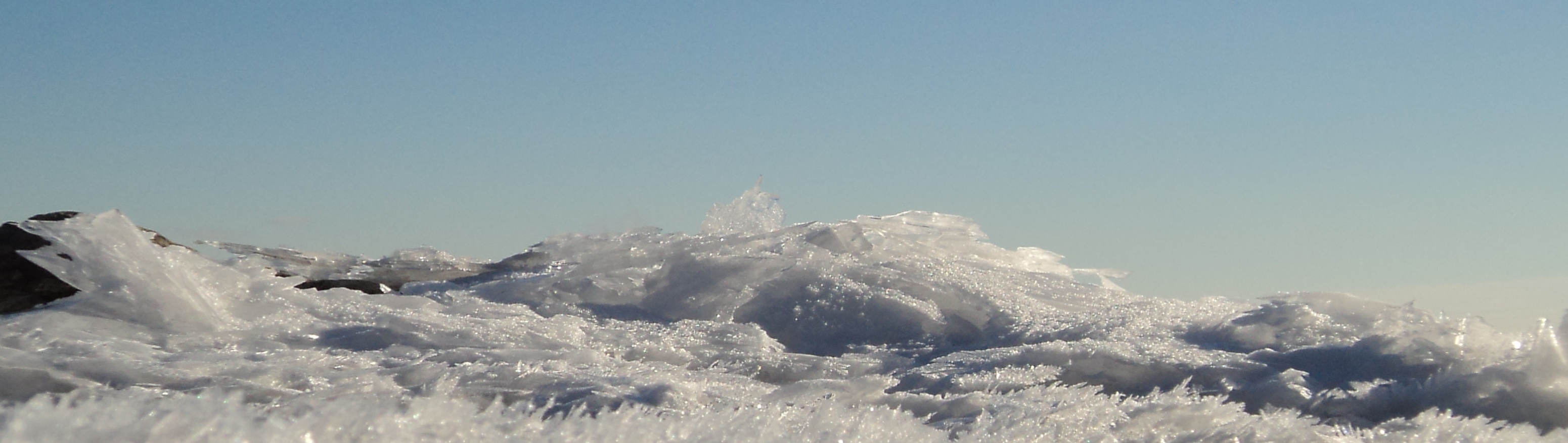
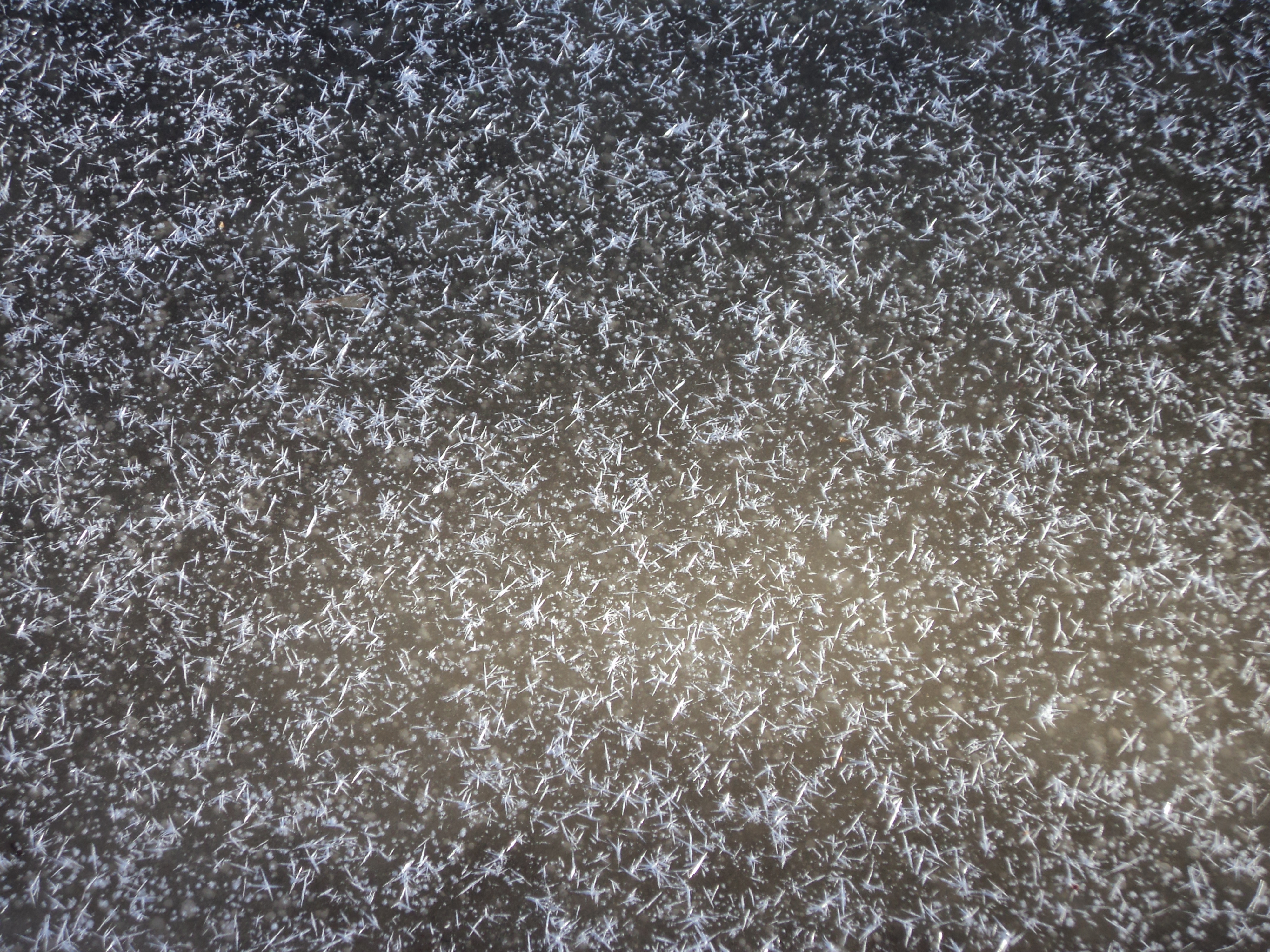
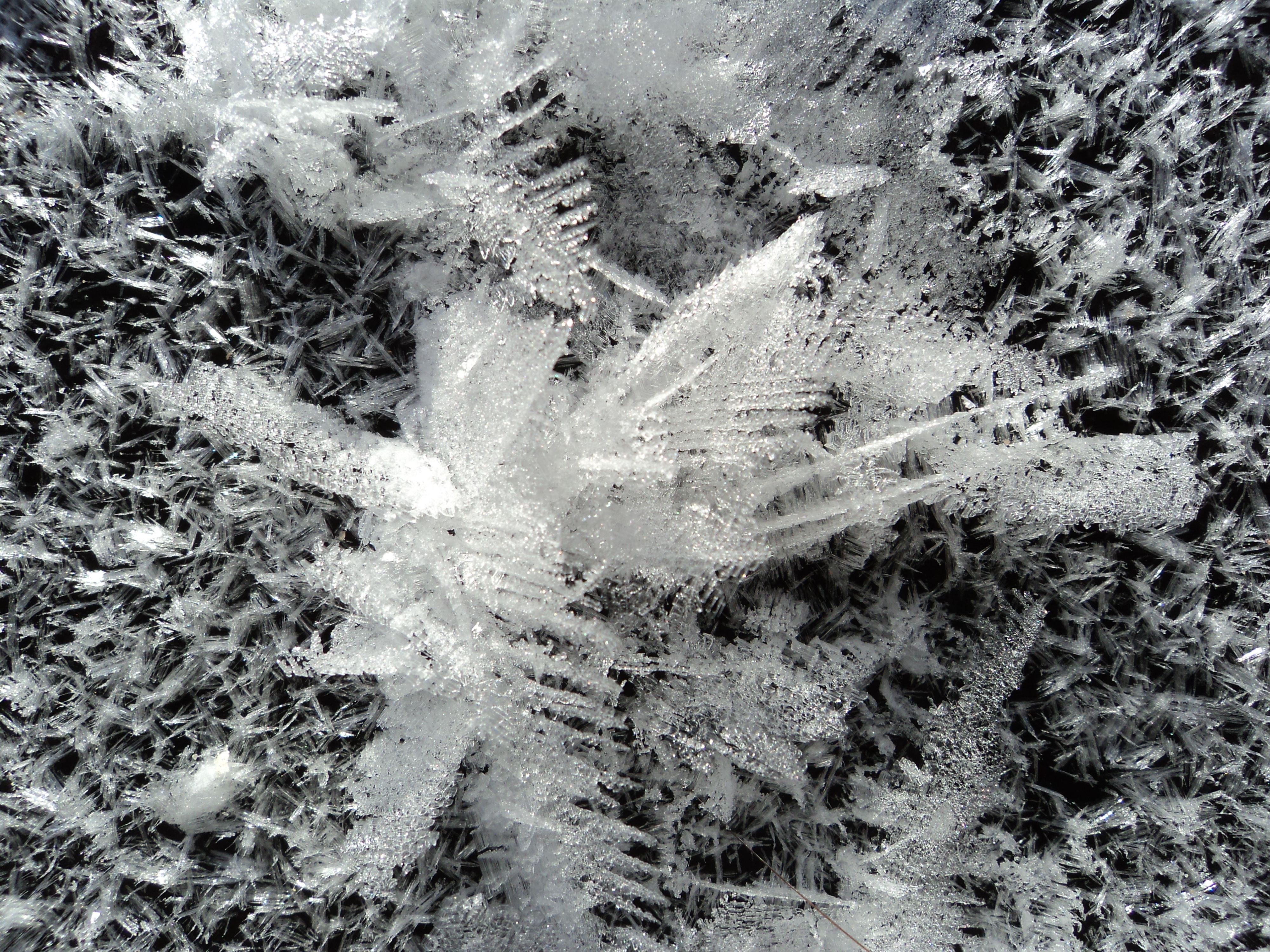
And I want to stress the fact that these are all photos taken in Wisconsin towns and cities! I saw some amazing photos of frost flowers taken in the far north. They are part of the magic that is cold weather. But my photos are stunning glimpses of what we can enjoy in our places in Wisconsin! We do not need to travel far to do so. We can bundle up to protect ourselves, play it safe, and appreciate what the cold has to offer. Here, in OUR places.DSC03818This photo, and the next few photos, will suggest some of the ways in which patterns can overlap. Find a good spot – a somewhat protected spot on the lakeshore, a spot where a river or stream widens – and you can see, day after day, a whole variety of patterns. Something different each day, and the patterns formed on a previous day will have something new overlaid on them to appreciate. Sometimes on a small scale, as above – sometimes on a large scale, as below:DSC03835One can appreciate these overlaps which, I think, are formed over the course of days. And one can also observeDSC03810the patterns which may include those formed at different moments in a day. Rivers and lakes often allow one to see scenes like this, with different ‘zones’ formed at different moments, sitting in bands.DSC03838The foam in the above photo was, I suspect, on its way to becoming some interesting formations like those in the photo below. I am not always sure if the sources of some of the beauty I see are sustainable practices (is there waste heat being kicked into the water? are the brown patterns I see signs of something unhealthy?). Winter is no escape from the challenges of determining connections between beauty and health. But whatever the causes, the branchings and curlings of organic-form-building can be seen here. Sometimes frozen for us to see, sometimes there in more tentative forms:DSC03814So when we have cold days in Wisconsin, remember – wherever you are, there is a lot of beauty out there, waiting for you to discover it!

Posted in Highlighted posts, Observations, Photo Gallery | Tagged , , , | 3 Comments

What I have missed since we last had winter

As we begin to sense winter in the air, I have been thinking about what I have been missing most, in 2012, since last winter occurred. And, what I am most eager to encounter when winter arrives again!

1. Changes in the landscape. Late fall, after growing season had ended, and after trees’ leaves have turned and fallen, does not leave much to watch on a daily basis in terms of ‘what’s going to surprise me today, what new twist will occur that I can enjoy?’ But I have already been enjoying the ice in a nearby nature center – once it is cold enough for freezing to occur, we have something which will look a little different every day, to study. What are the patterns that form near shore? What areas remain open? How thick and solid does the ice look? How much can we still see through it?

I am, of course, looking forward to snow season even more – there is a lot more to watch in terms of day-to-day transformations once snow starts accumulating!

2. Staying warm in cold weather: appreciation for winter clothing! I might step outside, feel chilled, finish wrapping my scarf around, and putting on gloves… and I can still feel crisp fresh air on my face, but I’m not really cold anymore. It is a fun contrast to notice, and the pleasure of becoming warmer is a very elemental one. (It also reminds me to that our world could do a better job of making sure that everyone has the clothing and shelter they need to stay warm.)

3. The soundscape of snow. The little soft pings of snowflakes hitting my hood. The muffling effect a snowstorm can have; leaving me focusing on sounds of wind and snow, closer to me, while distant sounds are more blurred.

With leaves gone, it seems like its easier to see and hear cars and buildings – it’s a world in which the human presence becomes more noticeable. But in snow season, it will be easier to focus attention on aspects of nature – and nature will make it easier for us to focus on it.


We do not know when our more wintry weather could come – so I hope you will enjoy me in both anticipating it, and preparing to enjoy it when the time comes!

Posted in Reflections | Leave a comment

Outdoor events recommendations, 2012-3

As winter approaches us, here are some recommendations for events to look forward to in the Milwaukee area (and Wisconsin as a whole) during winter 2012-3:

1. Urban Ecology Center: my favorite pick for the MKE area. They have a whole host of programs, on a regular basis, to get people learning about, and enjoying, the outdoors. Skis and snowshoes can be borrowed by members. Go to http://urbanecologycenter.org/programs-events-main.html to see their events calendar. They also sponsor two wonderful chances to celebrate the winter weather with others:

a. The Winter Solstice Candlelight Walk at Riverside Park: December 15, 2012. A candlelight walk! How often do you get to do that? It’s a nice distinctive activity, a chance to step into winter as a means of feeling togetherness with other people, outdoors in winter, sharing readings. And then, warm up inside with hot cider, live music, and camaraderie. Don’t feel isolated during winter – let us find ways to share winter with each other!

b. Winterfest in Washington Park. Recap from past: nowhere else in Milwaukee have I seen so many people out together enjoying winter! Many people packing the pond… a busy sledding hill… small groups skiing throughout the park… people gathered in the building to warm up, or near the building to talk and to see sled dogs. See https://www.facebook.com/media/set/?set=a.150379078350743.36441.136469736408344&type=3 for my photos from Winterfest 2011.

2. Downtown Holiday Lights Festival

For December, this provides a great survey of a whole lot of events going on:

http://www.milwaukeedowntown.com/about-us/special-events/milwaukee-holiday-lights-festival

3. Your Local Park or Nature Center

Basically, I expect that they have a series of events occurring to get people outdoors all winter long! Look up which parks are near you, and check out the events listing on their websites:

Milwaukee County Parks: http://county.milwaukee.gov/ParksCalendar

State Parks: http://dnr.wi.gov/topic/parks/

Nature Centers in Wisconsin: look up via http://www.wisconline.com/attractions/naturecenters.html or http://www.naturenet.com/directory.asp

4. Winterfest, Wehr Nature Center January 27, 2013

With a variety of activities from snowshoeing to creative activities for children, it was a great way to get out into a group, and provide youngsters with a chance to enjoy the weather. And, of course, there’s a great sled hill just across the pond…

see https://www.facebook.com/media/set/?set=a.288574494531200.71878.136469736408344&type=3

for my photos from Winterfests at Washington Park, and the Wehr Nature Center, from 2012.

5. Winter Carnival at Lynden Sculpture Garden Feb 9, 2013.

The Garden provides a chance to see sculptures not in the museum, but in a carefully landscaped garden designed to frame them. (Leaves me feeling like I am leading the charmed life of a person who gets to wander around such sculptures…) Last year’s events were indoors and outdoors, and included a Capture the Flag game designed and played in part by artists, a guided tour of trees in the winter landscape, and soups and bread designed for Milwaukee and the occasion.

For my photos of the 2012 event, see:

http://www.flickr.com/photos/milwaukeesnow/sets/72157629303901673/

Here’s a photo of me at the event which appeared in the Milwaukee Journal-Sentinel online:

http://www.jsonline.com/multimedia/photos/139161039.html#id_64827189

For a reflective overview of some outdoor events from 2011-2012 (most of which will be held again this year), see https://milwaukeesnow.com/2012/02/14/winter-activities-in-milwaukee-reflections-and-recapping/

There are other fun events to enjoy – winter festivals in many cities and towns, ice and snow sculpting competitions. So let us take the time we need to plan what we can enjoy during winter, and help make this season special!

Posted in Events | 2 Comments